The World’s Most-Followed TikToker Just Signed a $975 Million Content Deal… AI Clone Included
I saw this headline last week and couldn’t stop thinking about it.
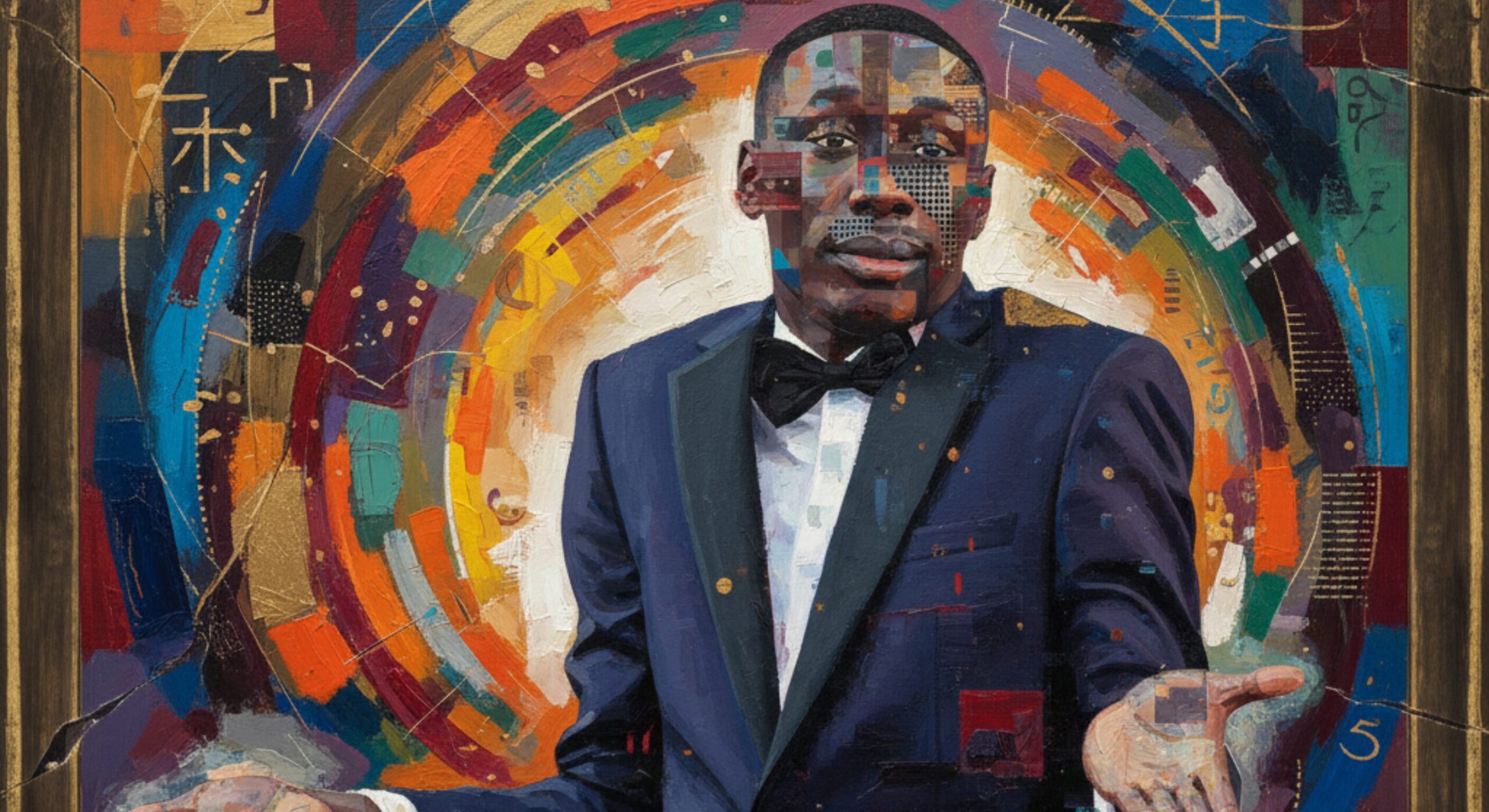
Khaby Lame, the guy who built 162 million TikTok followers by silently mocking overcomplicated life hacks, just sold his company to Rich Sparkle Holdings for $975 million. The deal includes global rights to his brand, his intellectual property, and something that stopped me cold: an AI version of him.
His digital twin. His face, his voice, his gestures, all licensed to a company that can now generate Khaby content in multiple languages, around the clock, without Khaby needing to be there.
Here’s why this caught my attention: it’s not just a big number. It’s a blueprint.
What Actually Happened
Let me clarify the structure, because the details matter.
This wasn’t a sponsorship. It was an acquisition. Rich Sparkle Holdings bought Khaby’s company (Step Distinctive Limited) in an all-stock transaction. That means they now own the rights to commercialize everything tied to his brand. And part of that package was authorization to build an AI clone, a digital version that can create content, interact with audiences, and expand into markets Khaby himself couldn’t reach alone.
Compare that to Kevin Hart’s recent deal with Authentic Brands Group. Hart didn’t sell his company. He entered a strategic partnership where ABG co-owns and manages the “Hart” brand to expand it into new products and experiences. In return, Hart became a shareholder in ABG itself, giving him equity in a portfolio that includes Marilyn Monroe, Shaquille O’Neal, and other iconic brands.
Two different models. Same underlying shift.
Why This Matters (And Why I’m Watching Closely)
I don’t think this is a one-off. I think this is the beginning of a new category.
We’re about to see a lot more of this. Maybe not all at $975 million, but the structure itself is scalable. Famous creators, influencers, athletes, musicians, people who’ve built massive following, are sitting on assets that companies are now willing to pay enormous sums to control, replicate, and monetize.
And here’s the part that makes me curious: we’re used to licensing deals. We understand brand partnerships. But licensing your likeness to an AI that can operate independently? That’s new. That’s different.
It reminds me of the passive income movement. Everyone wants to make millions while sitting on a beach drinking a mojito. AI digital twins might actually make that possible, except instead of courses or affiliate links, you’re licensing yourself.
The Incentives Are Clear (Which Is Exactly Why This Will Spread)
Let’s think through the incentives for a second.
For the creator:
You get a massive payout upfront. You potentially reduce your workload (the AI can handle certain content creation). You scale your reach into markets and languages you couldn’t access otherwise. If there’s performance-based compensation built in, you could continue earning while the AI works.
For the company:
You acquire a proven brand with an existing audience. You gain the ability to generate content 24/7 without the constraints of a human schedule. You can test new formats, markets, and revenue streams without needing the creator to be physically involved. You control the IP.
The system doesn’t require anyone to be greedy or shortsighted. It just requires both sides to respond rationally to what’s being offered. And when the numbers are this big, the rational response is to say yes.
What I’m Still Trying to Figure Out
Here’s where I get stuck: how much control are creators actually giving up?
I assume Khaby still has some ownership or creative control, though the details aren’t public. But when you authorize a company to create an AI version of you that can generate content independently, where’s the line? Who decides what the AI says? What it endorses? What it doesn’t say?
With Kevin Hart’s model, he’s a shareholder. He’s got equity. There’s structural alignment. With Khaby’s model, it appears to be an acquisition. The company owns the rights. That’s a different relationship entirely. Although I admit, I haven’t done serious research on this so Khaby certainly might have some equity too.
I’m not saying one is better than the other. I’m saying the incentives produce different outcomes, and we’re watching in real-time as the market figures out which model works best for whom.
What This Tells Us About the System We’re Building
This isn’t really about Khaby or Kevin. It’s about what becomes normal.
Right now, this feels novel. A $975 million deal for a TikToker? An AI clone? It sounds futuristic. But in five years, I suspect we’ll see dozens of these deals. Maybe hundreds. And they won’t all be with mega-influencers. Mid-tier creators with engaged audiences could license scaled-down versions of themselves. Athletes could sign deals that include digital training avatars. Musicians could authorize AI versions that perform in virtual concerts.
The system rewards scale. And AI makes scale possible without requiring proportional human input. That’s not a bug, it’s the whole point.
But here’s the part I keep coming back to: once you’ve licensed your digital twin, what happens to the original?
If an AI version of you can create content, engage audiences, and generate revenue while you sleep, what’s the incentive to keep showing up as yourself? And if the AI performs better than you do (because it never gets tired, never has an off day, never says the wrong thing), does the market start preferring the clone over the creator?
I don’t have an answer to that. I’m genuinely curious. Only time will tell.
The Passive Income Dream Meets AI Reality
Remember when everyone wanted to build a course, launch a podcast, or start a dropshipping store so they could earn passive income? This feels like the evolution of that.
Except instead of building a product once and letting it sell, you’re becoming the product. And instead of automating a process, you’re automating yourself.
The promise is the same: work once, earn forever. But the mechanism is fundamentally different. You’re not selling knowledge or access, you’re selling you. Or at least, a version of you that can exist independently.
I’m not here to say whether that’s good or bad. I’m here to say it’s happening. And the incentives suggest it’s going to keep happening.
So What Does This Mean?
I think we’re entering a phase where human creators and their digital twins will coexist, and sometimes compete. The question isn’t whether this trend continues. The question is: who benefits most from the coexistence, and who ends up sidelined by their own clone?
Because once the system can replicate you, scale you, and monetize you without requiring your ongoing participation, the value shifts. Maybe you still own equity. Maybe you still have creative control. Or maybe the company that bought your rights decides your AI performs better without your input.
We’re figuring this out in real-time. And honestly? I think that’s what makes it fascinating.
What do you think? Would you license an AI version of yourself if the price was right? And if you did, how much control would you need to keep?
If you’re building a business, personal brand, or content platform and want to think through how AI, visibility, and strategy intersect, let’s talk. I help businesses bridge the gap between marketing efforts and real sales results. Whether it’s SEO, content strategy, or figuring out your go-to-market plan, I’d love to help you build something that works. Reach out here.
One Comment