Adobe Just Made the SEO Power Move of 2025: Acquiring SEMRush
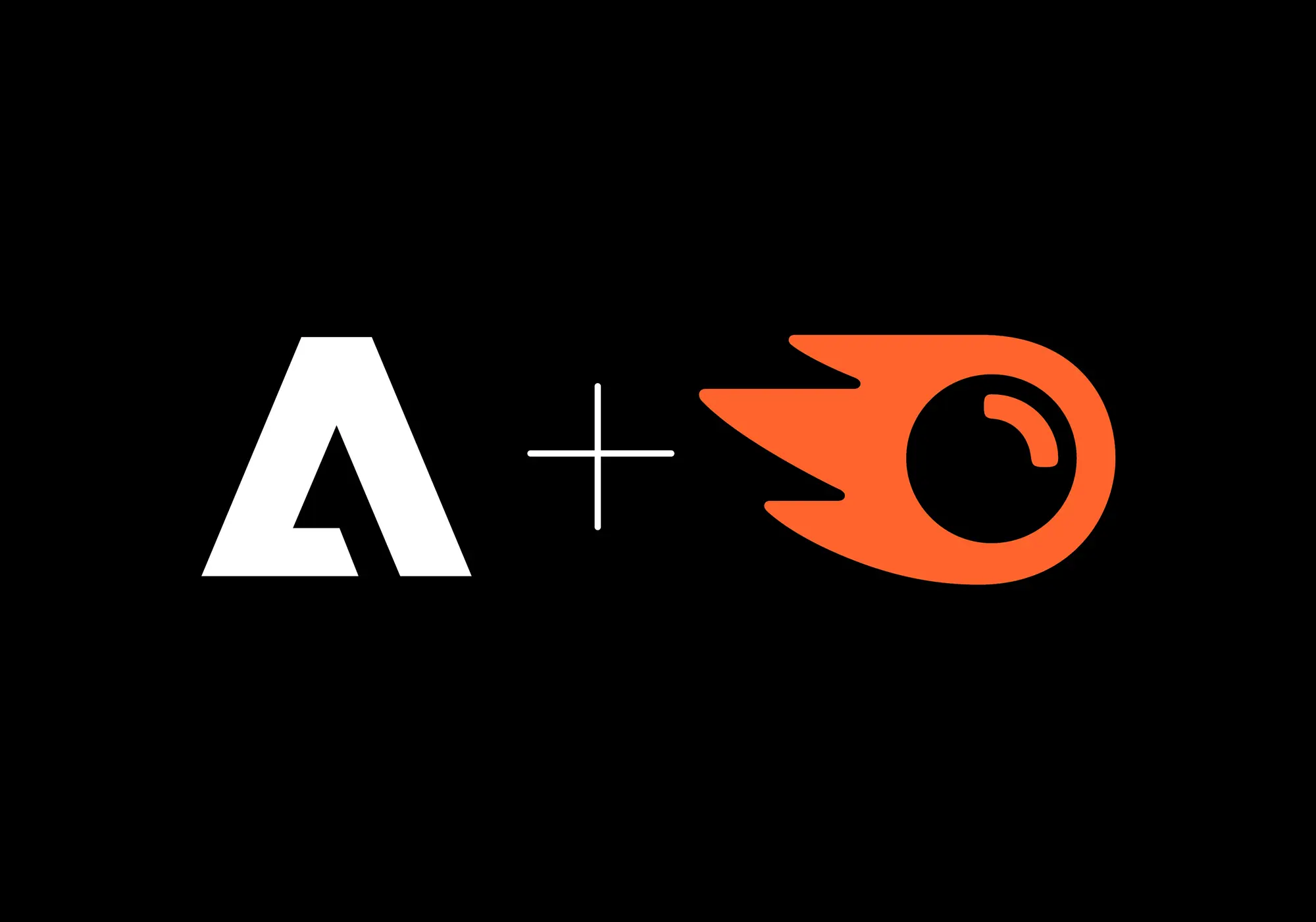
Whoa! When I saw the Adobe/SEMRush acquisition announcement this morning, I actually got a little excited. And if you know me, you know I don’t get hyped about corporate acquisitions unless they actually mean something for how we do business or, of course, if I’m involved and getting paid – which I’m not.
But this acquisition? This one’s big.
The Real Story Behind the Deal
Adobe just dropped $1.9 billion to acquire SEMRush, and while the press release talks about “brand visibility platforms” and “agentic AI era” (corporate speak at its finest), what’s really happening here is Adobe making a serious power move to stay relevant.
Because let’s be honest, they’ve been losing ground.
I’ve been an Adobe customer for years. Creative Suite, Premiere Pro, the whole ecosystem. But recently? I’ve found myself opening Canva more than Photoshop for graphics and thumbnail work. It’s faster, it’s easier, and honestly, for most of what I need, it gets the job done. I’m not alone in this either – Figma, DaVinci Resolve, and Canva, to name the big three, have been eating Adobe’s lunch in the marketing professional space.
Adobe knows this. And they just made their countermove.
Why This Actually Matters
Here’s what gets me excited about this deal: the potential for true integration across the entire content lifecycle.
Right now, we’re all working in silos:
- Create content in one platform
- Publish it somewhere else
- Track SEO in another tool
- Check analytics in yet another dashboard
- Try to piece together what’s actually working
Adobe acquiring SEMRush changes that equation. We’re talking about potentially having one platform where you can:
Create content (Adobe’s bread and butter)
Analyze performance of each piece of content
Track visibility across Google AND AI platforms (GEO and SEO)
That last part? That’s the real game-changer. Because visibility isn’t just about ranking on Google anymore. It’s about showing up in ChatGPT responses, in Perplexity results, in whatever LLM your prospects are using to research solutions.
The Vision That Actually Makes Sense
Adobe’s stated goal with this acquisition is to “give marketers a holistic visibility score… website, Google, and AI responses… so they can adjust strategies in real time and stay visible across the new digital landscape.”
Translation: They want to give us one dashboard that shows where our content is actually appearing and performing across ALL surfaces.
Website traffic? Check.
Google rankings? Check.
AI platform mentions? Check.
Engagement metrics? Check.
Conversion tracking? Chef’s kiss
This is what I’ve been cobbling together with like five different tools. And if Adobe can actually deliver on this promise? Game over.
Why I’m Cautiously Optimistic
Now, I might be jumping the gun a bit here. The acquisition won’t close until first half of 2026, and we don’t know how Adobe will price this integration. Will SEMRush capabilities be included in existing Creative Cloud plans? Will it be a reasonable add-on? Or will they price it like they’re the only game in town (spoiler: they’re not and they I hope they make it accessible to us smaller agencies and marketers instead of only focusing on the enterprise space)?
But here’s why I think they’ll actually pull this off:
They HAVE to. This isn’t about nice-to-have features anymore. This is about Adobe positioning themselves as THE AI-era marketing platform – the one place where content creation, visibility tracking, engagement monitoring, and conversion analytics all live together.
If they fumble this, marketers will continue migrating to the Canvas, Figmas, and Ahrefs of the world, cobbling together their own tech stacks.
What This Means for Marketing Teams
For years, I’ve been helping clients bridge the gap between marketing and sales. The biggest challenge? Marketing creates content, but can’t always prove how it connects to revenue. Sales teams want qualified leads, but don’t always understand what marketing efforts are actually driving them.
This Adobe/SEMRush integration could help fill that void.
When you can track content from creation through visibility through engagement through conversion, you’re not just doing marketing anymore. You’re directly supporting sales objectives. You’re proving ROI. You’re showing how marketing efforts translate into pipeline and revenue.
That’s why this matters to me professionally. That’s why Adobe will likely keep me as a customer for years to come. Because I don’t just need to create great content, I need to see the analytics that prove it’s supporting sales needs and helping clients reach their revenue goals.
The Bottom Line
While many of us have been sleeping on Adobe, they just said “hold up, we’re still in this ish.”
This is their statement that they’re not just a creative software company anymore. They’re positioning themselves as the complete platform for modern marketing teams who need to create, distribute, track, and optimize content across every surface where customers might encounter their brand.
Is it a defensive move? Absolutely. They’ve been losing market share and they know it.
But it’s also a smart move. Because the alternative is watching their core customer base, marketing professionals, continue migrating to specialized tools and platforms that better serve their end-to-end workflow needs.
Now we wait to see if the execution matches the vision. But for the first time in a while, I’m actually excited to see what Adobe does next.
Need help aligning your marketing efforts with sales goals to drive qualified leads and increase revenue? That’s exactly what I do at MASH – MarketingAndSalesHelp.com. Let’s talk about how to bridge the gaps in your content, visibility, and conversion strategy. Check out MarketingAndSalesHelp.com to learn more about how we help growth-stage companies turn marketing into a revenue engine.